

This post may contain affiliate links. If you make a purchase through one of these links, I earn a small commission at no extra cost to you. Read my full disclosure here.
If you are trying to decide where to stay in Lisbon, my strongest overall recommendation is Príncipe Real. It is central, beautiful, full of excellent restaurants and shops, and calmer at night than Bairro Alto.
But that is not the right answer for everyone.
Families who want space, flat streets, pools, and a genuine break from the busiest parts of Lisbon should look seriously at Parque das Nações.
I moved to Lisbon with my husband and two children in 2024. I have stayed in several of these neighborhoods and hotels, and I am constantly moving through the rest of them because this is where I live, not a city I visited once for a weekend.
That means I can tell you which areas feel wonderful at the end of a long sightseeing day, which hills become annoying with children, and where the noise can change an otherwise beautiful stay. This guide will help you choose the Lisbon neighborhood that actually fits the trip you want.

In a Rush? Where to Stay in Lisbon
⭐⭐⭐ Best overall: Príncipe Real — beautiful, central, polished, and quieter than Bairro Alto.
⭐⭐ Best for families and space: Parque das Nações — flat, waterfront, kid-friendly, and home to Martinhal Lisbon Oriente.
⭐ Best for first-time sightseeing: Chiado — walkable to many of central Lisbon’s biggest sights, restaurants, and shops.
The best areas to stay in Lisbon at a glance
| Area | Best for | Know before booking |
|---|---|---|
| Príncipe Real | Best overall; couples; restaurants and design | Central, but some streets are steep |
| Parque das Nações | Families; space; flat walks; modern comfort | About 20 minutes from the historic center |
| Chiado | First visits; shopping; central sightseeing | Busy and sometimes noisy |
| Avenida da Liberdade | Luxury hotels; shopping; polished service | More formal and less neighborhood-like |
| Baixa and Rossio | Convenience; flatter streets; monuments | Touristy and busy during the day |
| Alfama | Historic atmosphere; views; Fado | Steep, cobbled, and difficult with luggage |
| Cais do Sodré and Santos | Food, nightlife, and transport | Choose the exact street carefully for noise |
| Belém | Museums; riverfront; a slower stay | Removed from the historic center |
| Lapa and Estrela | Quiet luxury; gardens; residential Lisbon | Weaker metro access |
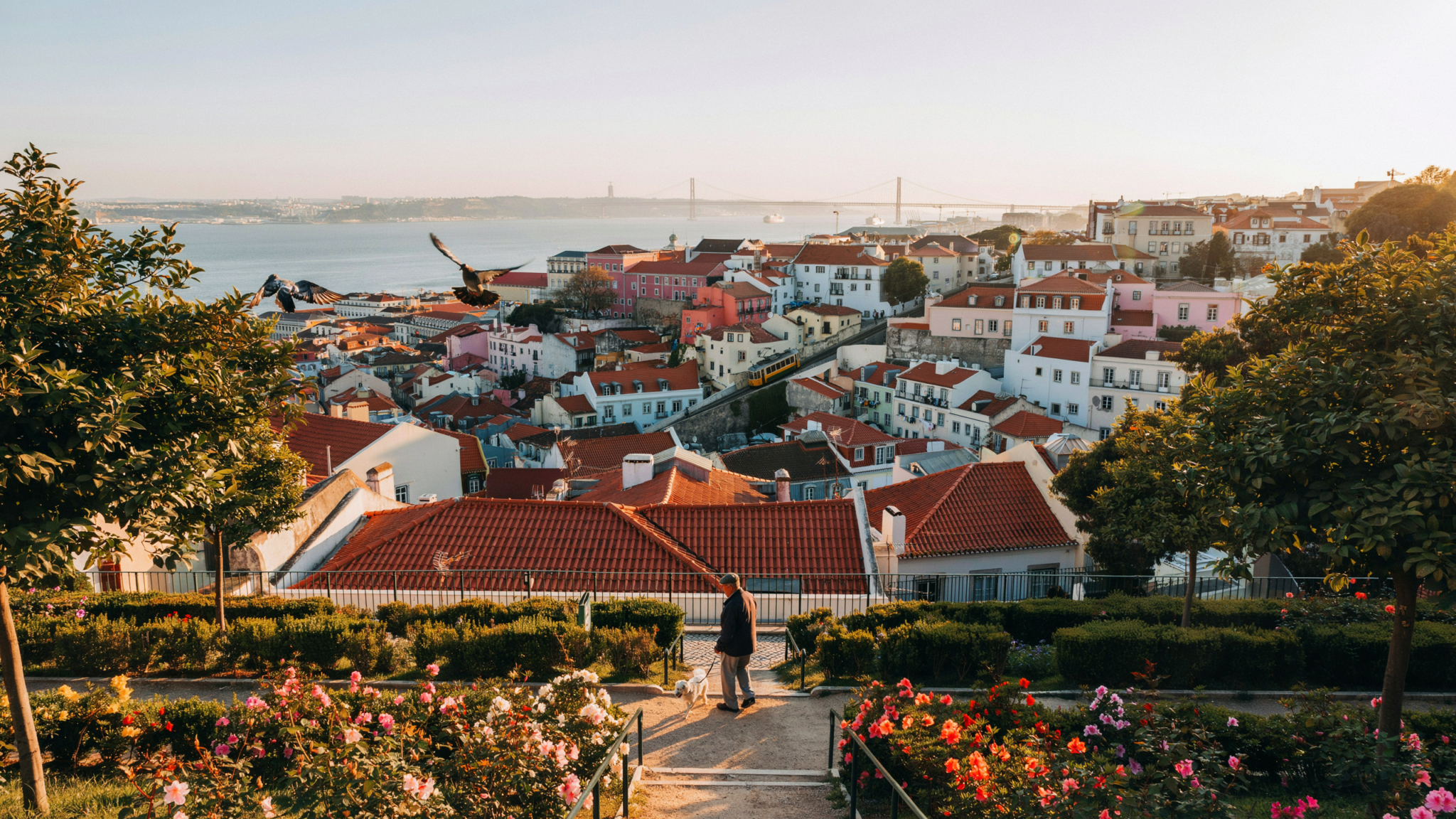
Príncipe Real: my best overall place to stay in Lisbon
If a friend asked me to choose one Lisbon neighborhood without giving me any other information, I would send them to Príncipe Real.
It is central enough that you can walk into Chiado, Baixa, Avenida da Liberdade, and São Bento, but it feels more relaxed than the busiest parts of downtown.
The neighborhood is filled with handsome buildings, independent shops, leafy squares, restaurants, cafés, and the Embaixada concept-shopping gallery. You still get the Lisbon hills, but you also get the feeling of staying in a real neighborhood instead of living inside a tourist corridor.
Príncipe Real gives you the city without forcing you to sleep inside its loudest part.

That distinction is important because nearby Bairro Alto can remain noisy well into the night.
I would look at Memmo Príncipe Real for a romantic boutique stay with views, or Altis Suites if you are traveling with family and want a separate living area and kitchenette.
Altis Suites was the very first hotel I stayed in when I visited Portugal, and the additional space makes an enormous difference when adults and small children are sharing a trip.
Parque das Nações: best for families, space, and a calmer retreat
Parque das Nações is my strongest recommendation for families who want to enjoy Lisbon and then retreat from the city at the end of the day. This modern waterfront district is flat, spacious, and easy to navigate with children, wheelchairs, or a stroller.
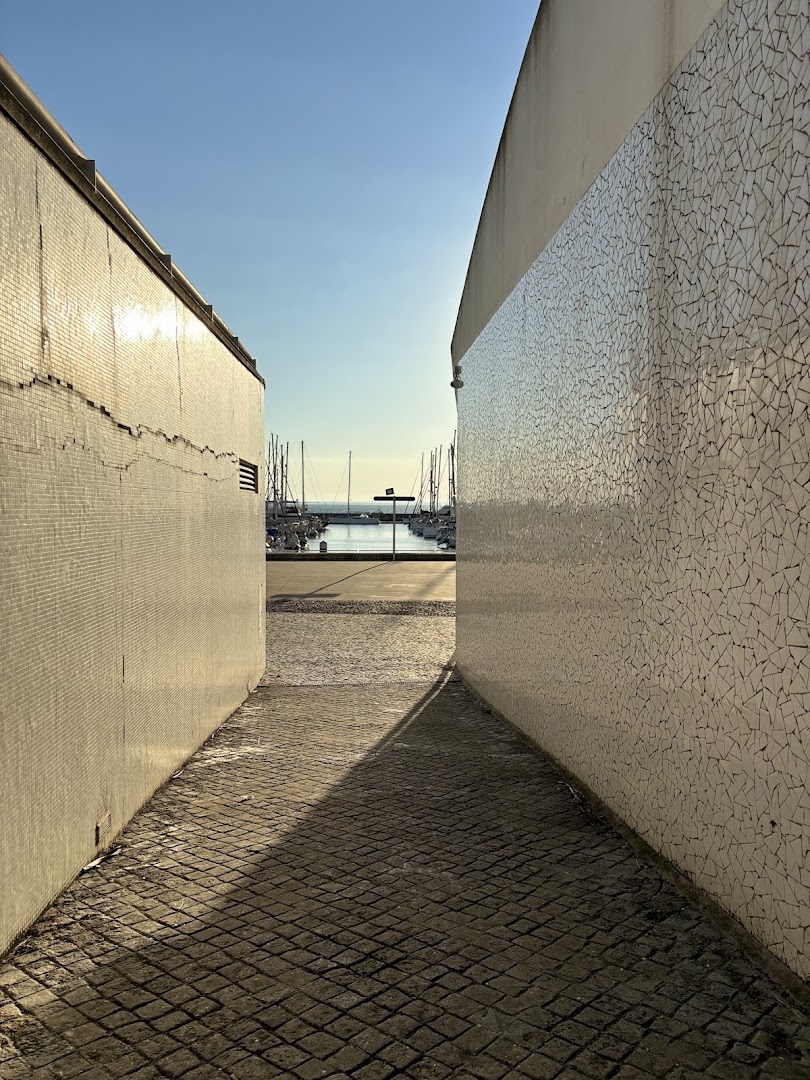
The Lisbon Oceanarium, Pavilion of Knowledge science museum, Telecabine cable cars, marina, gardens, Vasco da Gama shopping center, and river promenade are all nearby. You can also see the enormous Vasco da Gama Bridge stretching across the Tagus.
This is the Lisbon base I would choose when room to breathe matters more than waking up beside a centuries-old monument.
The trade-off is that central Lisbon is a Metro, taxi, or rideshare journey away rather than directly outside your door.
I have stayed at Martinhal Lisbon Oriente in this area with my children, and it solves problems that many luxury city hotels ignore.
The apartments have generous living space, kitchen areas, and laundry facilities. The property also has four pools, a kids club, a restaurant, room service, a business center, and family-friendly layouts that do not leave everyone crowded into a tiny room.
Read my complete Martinhal Lisbon Oriente review for the firsthand details, including the pools, kids club, restaurant, workspaces, and what the location is really like for families.

Chiado: best for a first visit and central sightseeing
Chiado is one of the easiest areas to recommend for a first trip. It puts you close to Baixa, Rossio, the river, Cais do Sodré, shopping on Rua Garrett, historic cafés, theaters, and many of Lisbon’s most useful transport connections.
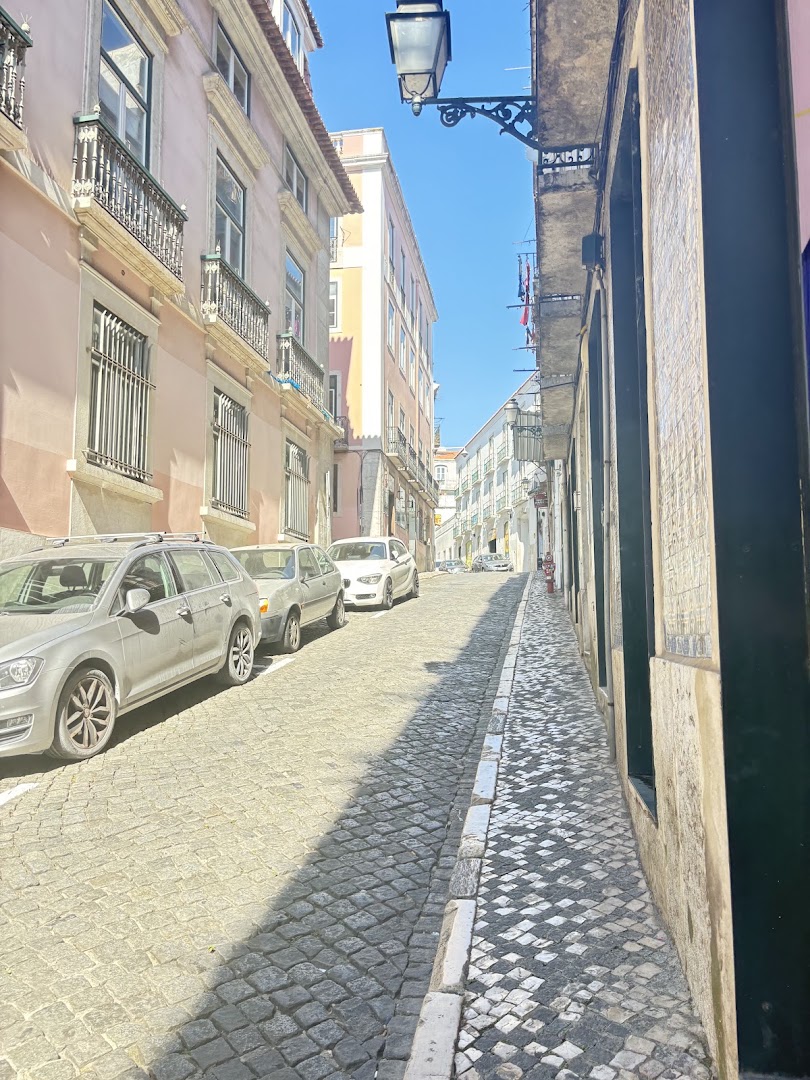
You can walk to an enormous amount from here, but do not confuse Chiado with Bairro Alto. They meet on the map, yet the sleep experience can be very different.
If you are sensitive to noise, verify the exact street and request an upper-floor or courtyard-facing room.
For families who want a central apartment-style stay, Martinhal Lisbon Chiado combines kitchens and laundry facilities with a kids club and an extremely central address. For a design-forward couples stay, The Ivens is steps from several major sights and Rocco restaurant.
Avenida da Liberdade: best for classic luxury and shopping
Avenida da Liberdade is Lisbon’s polished, formal luxury corridor. The tree-lined avenue is home to designer stores, grand hotels, wide pavements, and easy access to Marquês de Pombal, Restauradores, and Príncipe Real.
This is a smart choice when hotel service and shopping matter more than feeling immersed in an old residential neighborhood. It is also useful for travelers who want taxis to reach them easily instead of navigating the narrow streets of Alfama or Bairro Alto.
Four Seasons Hotel Ritz Lisbon is the full grand-hotel experience, while Altis Suites is a more practical option for families who want apartment space near the avenue. I would choose between them based on whether you want full-scale hotel luxury or the everyday usefulness of a separate living space.
Baixa and Rossio: best for convenience and flatter streets
Baixa and Rossio make sightseeing simple. You are close to Praça do Comércio, Rua Augusta, the Santa Justa area, Rossio Station, and the lower end of Avenida da Liberdade, with flatter streets than you will find in many historic neighborhoods.
The compromise is atmosphere. Baixa is beautiful, but it is busy and visitor-focused. I prefer Príncipe Real for a longer stay, although Baixa can be exactly right for a short first visit when you want the city’s major sights immediately around you.
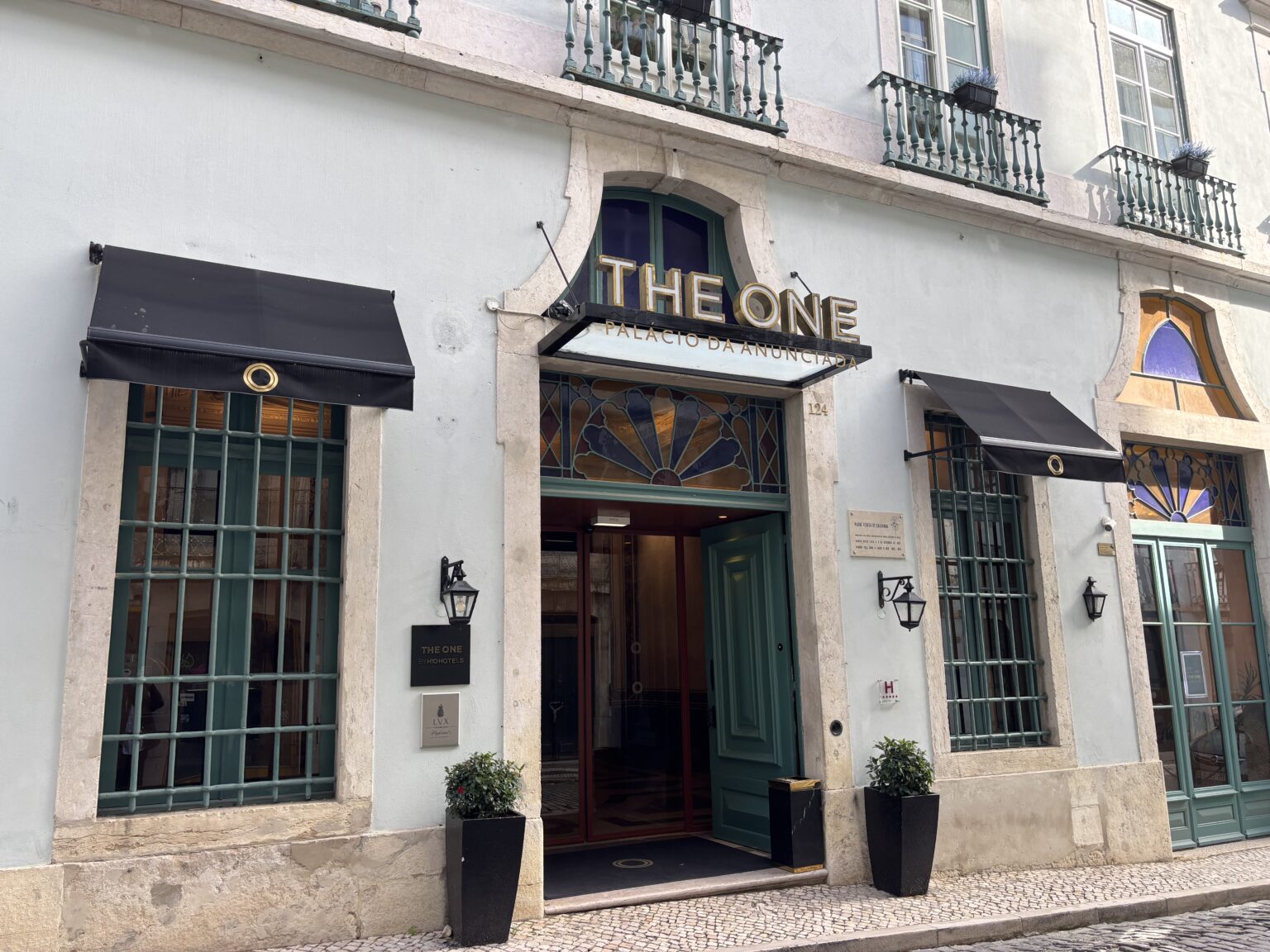
I stayed at The One Palácio da Anunciada, a restored palace with a garden and pool close to Rossio but one block from Avenida da Liberdade. Read my honest review of The One Palácio da Anunciada before choosing your room.
Alfama: best for historic Lisbon atmosphere
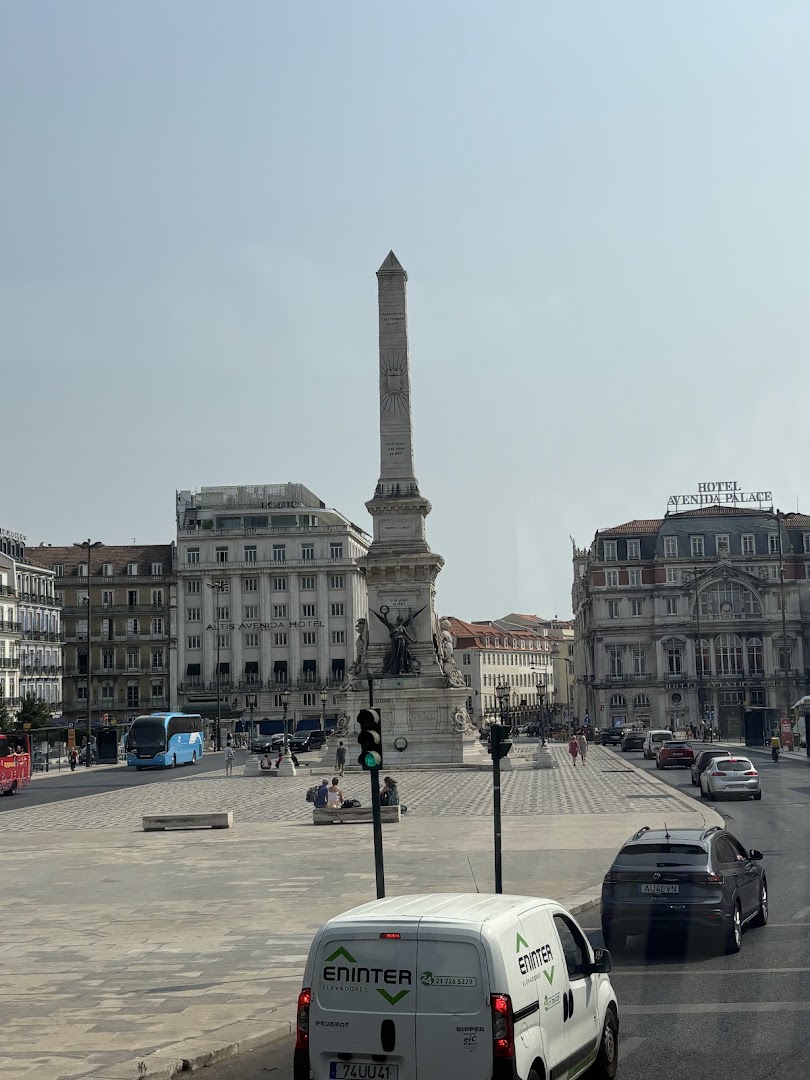
Alfama is the Lisbon many people imagine before they arrive: tiled buildings, tiny lanes, Fado music, laundry above the streets, river views, and steep staircases that seem to lead somewhere beautiful every time.
I have spent many afternoons in Alfama, and the atmosphere is real. So are the practical difficulties. Cars cannot reach every door, the cobbles are hard on rolling luggage, and the hills can turn a simple outing into a workout.

Stay in Alfama because you want Alfama—not because a map made it look close to everything.
It is wonderful for travelers who prioritize history, views, and evening atmosphere, but it is not my first choice for families managing strollers or anyone with mobility concerns.
A private electric tuk-tuk tour is one of the easiest ways to understand how Alfama, Graça, Baixa, and the viewpoints connect before exploring on foot.
My Lisbon tuk-tuk guide explains what changed after the city’s newer traffic rules and which experience I recommend.
Cais do Sodré and Santos: best for food, nightlife, and transport
Cais do Sodré gives you trains to Cascais, ferries across the Tagus, the Green Line Metro, Time Out Market, and a quick walk uphill into Chiado. It is extremely convenient if your itinerary mixes Lisbon with the coast.
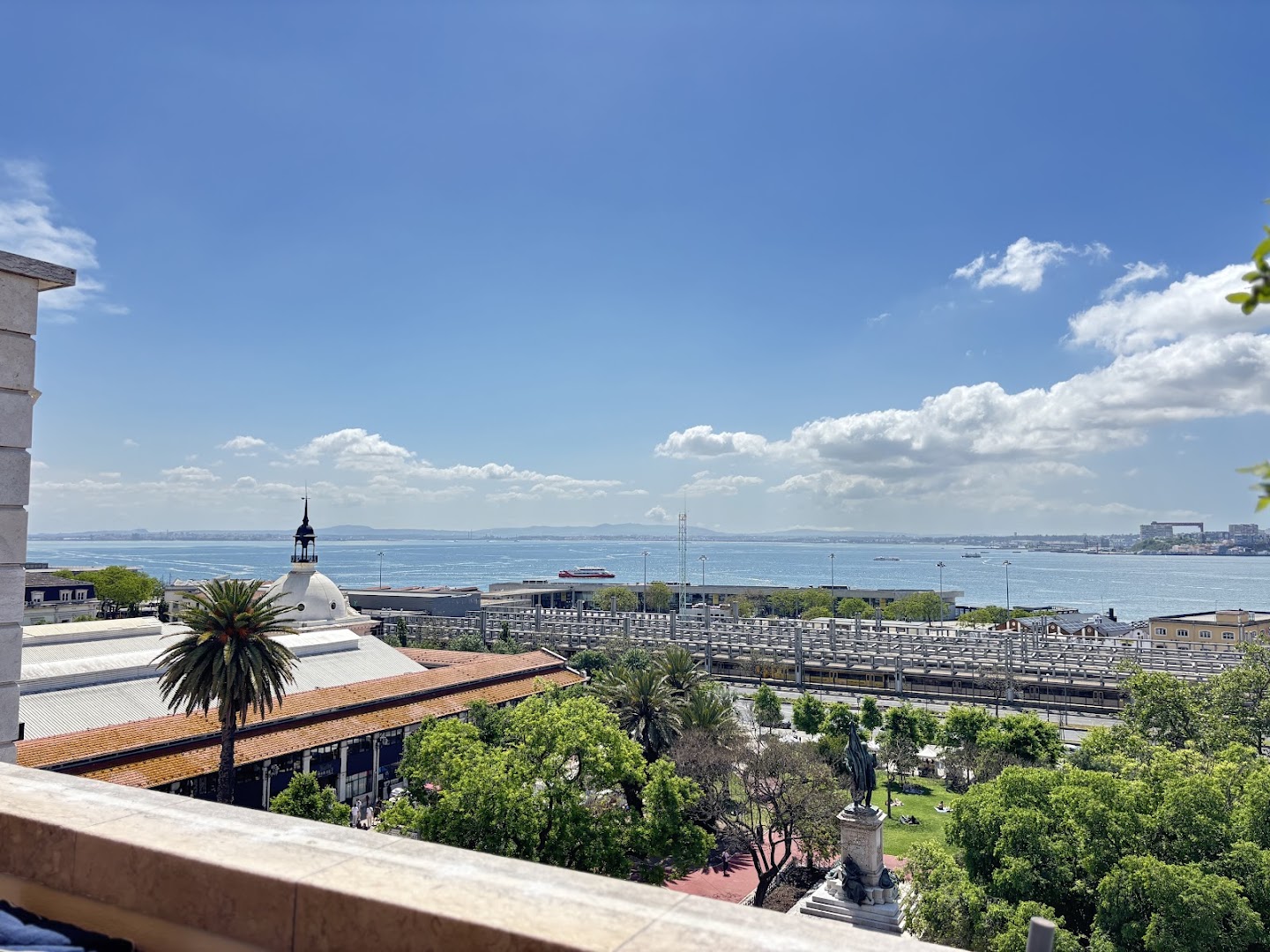
It is also lively. Pink Street and the surrounding bars can be loud, so the exact address matters more here than the neighborhood name. Santos becomes more residential as you move west and can be a better compromise for travelers who want restaurants and river access without sleeping directly above nightlife.
This area is especially good for travelers building a trip around food.
A guided tasting experience can take you beyond the obvious market stops and into long-running bakeries, traditional shops, and small restaurants. My things to do in Lisbon guide includes the food tours I would shortlist.
Belém: best for museums and a slower riverfront stay
Belém is a destination inside Lisbon rather than a central base. It works beautifully when Jerónimos Monastery, the riverfront, museums, gardens, and a slower rhythm matter more than walking back to your room after dinner in Chiado.
The area is relatively flat and visually open, which can feel like a relief after several days in the historic center. However, there is no Belém Metro station, so you will rely on trams, buses, trains, taxis, or rideshares to move between Belém and downtown.

Altis Belém Hotel & Spa is the riverfront luxury option, with indoor and seasonal outdoor pools and easy access to the monuments. It is a strong choice for a return trip or the slower final portion of a split stay.
Lapa and Estrela: best for quiet, residential luxury
Lapa and Estrela are calmer, greener, and more residential than Lisbon’s central sightseeing districts. Jardim da Estrela is a real neighborhood gathering place, and the surrounding streets feel removed from the tourist churn without placing you outside the city.

This is a good fit for couples, repeat visitors, and anyone who would rather return to quiet gardens and a pool than step directly into nightlife. The downside is weaker Metro access, so taxis and rideshares will probably become part of your routine.
Olissippo Lapa Palace is the neighborhood’s defining luxury stay, with large gardens, indoor and seasonal outdoor pools, and a setting that genuinely feels separated from central Lisbon.
Areas I would not choose for every Lisbon trip
Bairro Alto if you need quiet
Bairro Alto is fun for an evening, but I would not make it my default place to sleep. Bars and late-night foot traffic can make a beautiful central location frustrating if you want to rest.
If you love the location, stay on the Príncipe Real or Chiado side and check the exact street carefully. A hotel can market itself as being near Bairro Alto while offering a much quieter experience several blocks away.
Campo Grande if airport noise will bother you
Campo Grande is convenient to the airport and has useful transport connections, but planes frequently pass overhead. That convenience is not worth it for everyone, especially light sleepers or travelers specifically looking for peace and quiet.
Campolide and Sete Rios if walk-out sightseeing is the goal
I have stayed in Campolide, including at Corinthia Lisbon. The hotel experience can be excellent, particularly if you want a serious spa, indoor pool, large rooms, and full-service facilities, but this is not where I would stay to walk out the door into postcard Lisbon.
Read my Corinthia Lisbon spa review if the property itself is your priority. Choose it as a hotel destination, not because Campolide is the best sightseeing base.
How to choose the right Lisbon neighborhood
- Choose Príncipe Real for the best combination of beauty, location, food, and calmer evenings.
- Choose Parque das Nações for children, pools, apartment space, flat streets, the waterfront, and a retreat from peak-season crowds.
- Choose Chiado for a short first trip when central sightseeing is the priority.
- Choose Avenida da Liberdade for grand hotels, luxury shopping, and predictable full-service comfort.
- Choose Baixa or Rossio for convenience, transport, and easier walking.
- Choose Alfama for atmosphere and history when hills and luggage access will not be a problem.
- Choose Cais do Sodré or Santos for food, nightlife, and trains to Cascais.
- Choose Belém for museums, monuments, and riverfront calm.
- Choose Lapa or Estrela for quiet residential luxury.
Frequently asked questions about where to stay in Lisbon
What is the best area to stay in Lisbon for a first-time visitor?
Príncipe Real is my best overall recommendation because it balances location, beauty, restaurants, and livability. Choose Chiado instead if you want to maximize walkable sightseeing during a very short visit.
Where should families stay in Lisbon?
Parque das Nações is the easiest family base because it is flat, spacious, close to the Oceanarium and science museum, and home to Martinhal Lisbon Oriente. Altis Suites is my central alternative when you want apartment space closer to Príncipe Real and Avenida da Liberdade.
Is it better to stay in Baixa or Chiado?
Baixa is flatter and exceptionally convenient for monuments and transport. Chiado feels more stylish and has stronger shopping and dining, but it can involve more slopes. I would choose Chiado for atmosphere and Baixa for ease.
Should I stay in Bairro Alto?
Only if nightlife is a major reason for your trip or you have verified that your room is protected from street noise. For most travelers, nearby Príncipe Real or Chiado offers a better balance.
Final thoughts on where to stay in Lisbon
After living here, visiting every one of these areas, and staying in several of the hotels myself, I would start with Príncipe Real. It gives most travelers the best version of Lisbon: central without feeling completely consumed by tourism, beautiful without being impractical, and lively without matching Bairro Alto’s late-night noise.
For families, I would make a different decision. The space, four pools, kids club, apartment facilities, waterfront, and nearby children’s attractions at Martinhal Lisbon Oriente make Parque das Nações feel like an actual vacation instead of parenting inside a smaller hotel room.
The best Lisbon neighborhood is not the one that appears most often on somebody else’s list. It is the one that makes the trip you want easier.
Portugal Travel Planning Guide
🚑 Should I buy travel insurance for Portugal?
It is strongly recommended. Non residents do not automatically receive free public healthcare, although private healthcare is available. Travel insurance covers emergencies, delays, and medical visits. If you require a Schengen visa, insurance is mandatory. Visitors Coverage is a highly trusted and recommended choice.
💳 Will my debit card or credit card work in Portugal, and do I need cash?
Most major credit and debit cards work in Portugal, including Visa, Mastercard, and many travel cards from US and UK banks. Some smaller cafés, markets, and rural spots still prefer cash, so carry a little on hand. To avoid foreign transaction fees, cards like the Chase Sapphire Preferred or Reserve are excellent options. For ATM withdrawals and currency exchange, use a Wise card. Wise usually provides better exchange rates than traditional banks and is widely accepted at Portuguese ATMs and anywhere debit and credit cards are accepted.
📲 Will my phone work in Portugal?
Many major carriers offer roaming plans, but costs vary. For affordable data, purchase a local SIM from Vodafone or MEO or use an eSIM like Airalo. Public wifi exists but is not always reliable, so a local data plan is ideal.
🚙💨 Is it safe to rent a car in Portugal?
Yes. Renting a car is one of the best ways to explore Portugal. Roads are well maintained. Expect toll highways and narrow streets in older villages. Automatic cars are limited, so book early. I recommend using Discover Cars to find the most reputable rental car company. Just filter for the company with the best reviews.
💧 Can you drink tap water in Portugal?
Yes. Tap water is safe throughout Lisbon, Porto, the Algarve, and most populated regions. In remote rural areas water systems may vary, so check locally if you are unsure. Many visitors prefer a filtered bottle because the mineral taste can be stronger in some areas, though generally safe.
🏩 Best way to book accommodations in Portugal
I use Booking.com and Hotels.com for hotels. Mostly Hotels.com because I love a rewards program! For unforgettable, luxury stays, I highly recommend Plum Guide for your stay. VRBO also works incredibly well for luxury stays, especially for families.
✈️ Best site to search for flights to Portugal
Skyscanner and Google Flights provide reliable fare tracking for Lisbon, Porto, and Faro. Prices vary significantly by season, with summer being the highest.
🎫 Do I need a visa for Portugal?
US, UK, and most EU passport holders do not need a visa for short tourist stays within the 90-day Schengen limit. Stays longer than 90 days require a visa arranged before arrival.
📌 Share on Pinterest

Check out these articles if you are looking for more to do in Portugal!
- The Best 4 Day Lisbon Itinerary: City Sights, Sintra, and Time to Slow Down
- Christmas Tours in Lisbon: Festive Experiences Worth Booking
- Christmas Dinner in Lisbon: Where to Eat on Christmas Eve and Christmas Day
- Ericeira, Portugal: The Best Coastal Day Trip
- The Perfect 3 Day Lisbon Itinerary for First-Time Visitors
- The Best Restaurants in Lisbon With a View: 11 Tables Worth Booking
- The Best Luxury Hotels in Lisbon at Christmas
- Christmas in Lisbon: Your Best Guide to Markets, Lights, and Christmas Day
- The Best Christmas Markets in Lisbon 2026
- Porto vs. Lisbon: Which City Is Worth Visiting?
- The Best Day Trips From Lisbon: Your Ultimate Guide
- The Best 5 Star Hotels in Lisbon: An Ultimate Guide
- Things To Do in Lisbon: The Ultimate Expat Guide
- Penha Longa Resort: Honest Review of a Luxury Escape
- The Best Port Wine Tasting Porto Has to Offer
- The Best Luxury Hotels in Porto, Portugal
- How Many Days in Porto? The Complete Breakdown of the Perfect Length
- The Best Day Trips from Porto, Portugal: 9 Incredible Places
- The Best Porto Private Tours (From a US Expat Who Actually Lives Here)
- Things to See In Porto: The Ultimate List of the Best Attractions
- Porto Food: The Ultimate Guide To The Best Tours and Bites in The City
- The Ultimate Guide to a Tuk Tuk Tour: Lisbon
- Martinhal Lisbon Oriente Review: The Best Luxury Family Hotel
- The Best Brunch in Lisbon: Honest Guide to the Most Delicious Bites
- 3 Days in Porto: The Best Itinerary with Kids
- The Best Burgers in Lisbon: My Tested Favorites
- The Best Luxury Hotels in Portugal: Your Guide to 12 Exceptional Stays
- Herdades dos Grous: The Best Luxury Day Trip from Lisbon
- The One Palácio da Anunciada: Honest Review of the Best Mom’s Retreat in a Literal Lisbon Palace
- 8 Marvila: Lisbon’s Best Hidden Gem and Industrial Landmark
- Portugal in February: Lisbon vs Porto vs Algarve
- Akeah Porto Centro Review: Where to Stay in Porto
- Honest Vila Vita Parc Review: Luxury Family Stay
- Discover the Perfect Luxury Villa in Portugal
- The Best Resort in Portugal for Families: Luxury and Kid-Friendly
- A Luxury Mom’s Retreat in Lisbon: Corinthia Hotel & Spa
- The Best Luxury Hotels in Comporta, Portugal
- TAP Portugal Business Class: An Honest Review
- Luxury Car Rentals in Portugal
- The Top Destinations for the Best Workation in Europe
- The 9 Best Uluwatu Beach Clubs
- The Best Flower Baths In Bali
- The Ultimate Amalfi Coast 2-Day Itinerary: Explore in 2 Days
- The 9 Best Luxury Wellness Retreats in Bali for Sanctuary
- The 13 Best Luxury Wellness Retreats in Portugal
- Location Freedom: Time and Financial Freedom’s Sibling
